Summary
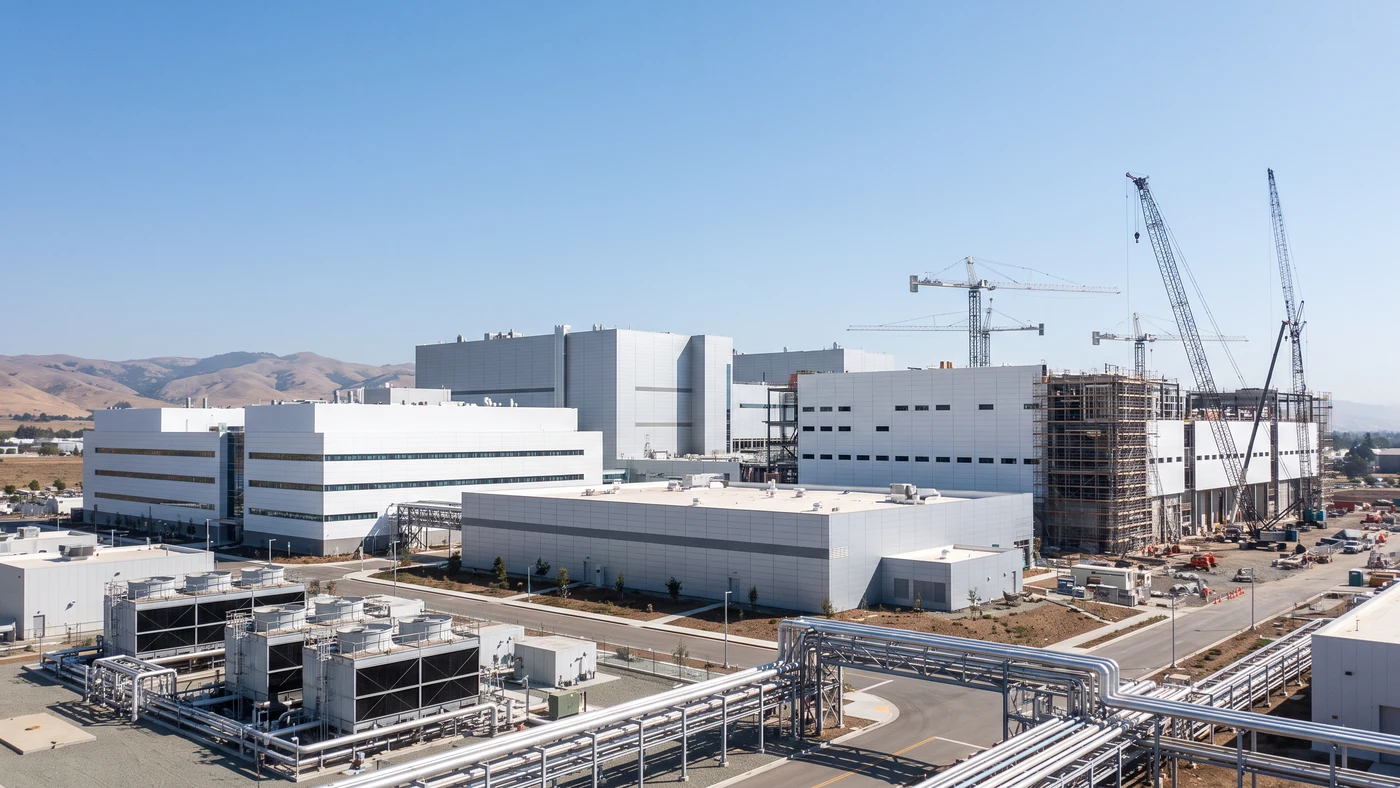
Micron's ID1 project is a major expansion of an existing clean-room semiconductor fabrication plant in Boise, Idaho, with an estimated project cost of $50B. CBC placed mechanical construction managers and field superintendents into project operations from phase one. They coordinated critical mechanical scopes, strengthened daily field execution, and supported safe, high-quality delivery in a fast-paced and technically demanding environment.
The challenge
A major expansion of an existing clean-room semiconductor fabrication plant in Boise, Idaho, with an estimated project cost of $50B. The environment was fast-paced and technically demanding, and phase one required mechanical construction management and field execution that stayed tightly coordinated with the rest of the work.
Conditions at the outset
- Clean-room environment with strict installation and cleanliness standards.
- Critical mechanical scopes running alongside many other trades.
- Fast-paced schedule with limited tolerance for rework.
- Daily field execution requiring consistent supervision.
- Turnover readiness dependent on quality at the point of installation.
- Pre-commissioning timeline sensitive to piping cleanliness.
Work of this kind is judged at turnover, so the coordination had to hold every day rather than be corrected at the end.
Quality had to be built into the installation itself, because a cleanroom does not give the schedule back once it has been lost.
The solution
Our mechanical construction managers and field superintendents integrated into project operations from phase one, helping coordinate critical mechanical work, strengthen field execution, and support safe, high-quality delivery in a fast-paced, technically demanding environment.
They joined the project teams rather than working alongside them, which put decisions and accountability in the same place.
Key capabilities added
- Mechanical construction management across critical scopes.
- Mechanical field supervision to support daily execution.
- Trade coordination across crews, work areas, and interfaces.
- Short-interval planning and field-driven schedule support.
- Safety leadership across complex construction activities.
- Quality oversight to improve installation and turnover readiness.
- Issue resolution and field execution support across stakeholders.
Short-interval planning kept the field schedule honest against what crews could actually complete that week. Issues were resolved where they appeared instead of being escalated and queued.
The result
Execution across the critical mechanical scopes was strengthened, and coordination improved across teams, trades and work areas. Disciplined planning and oversight made the schedule more reliable, and a quality-focused approach at the point of installation reduced the rework that would otherwise have appeared later.
What it produced
- Strengthened execution across critical mechanical scopes.
- Improved field coordination across teams, trades, and work areas.
- Increased schedule reliability through disciplined planning and oversight.
- Helped reduce rework by driving quality-focused execution.
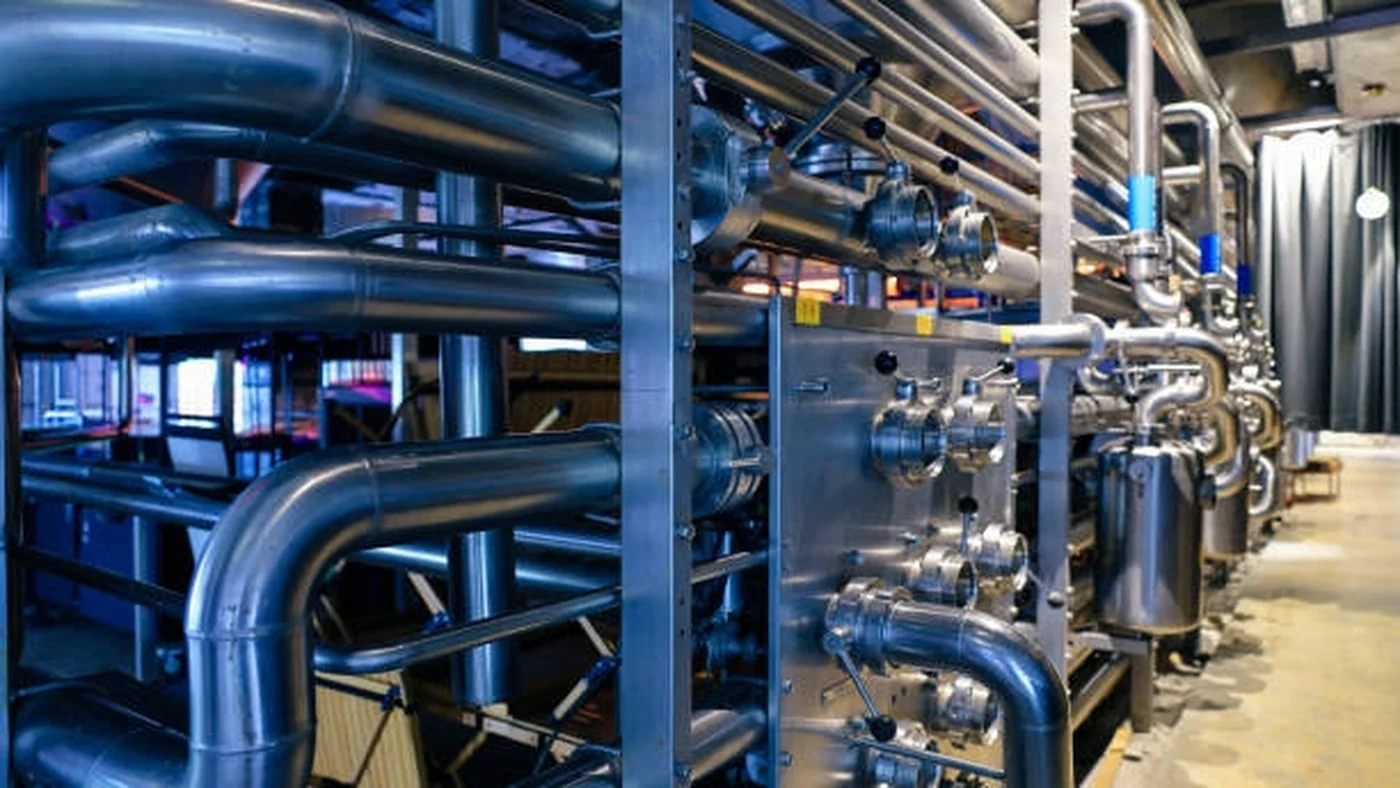
- Reduced pre-commissioning timeline with build-it-clean piping processes.
- Accelerated issue resolution through strong on-site leadership.
Build-it-clean piping processes shortened the pre-commissioning timeline, which is where cleanroom projects most often lose ground.
Strong on-site leadership kept issue resolution moving at the pace of the schedule.