
Summary
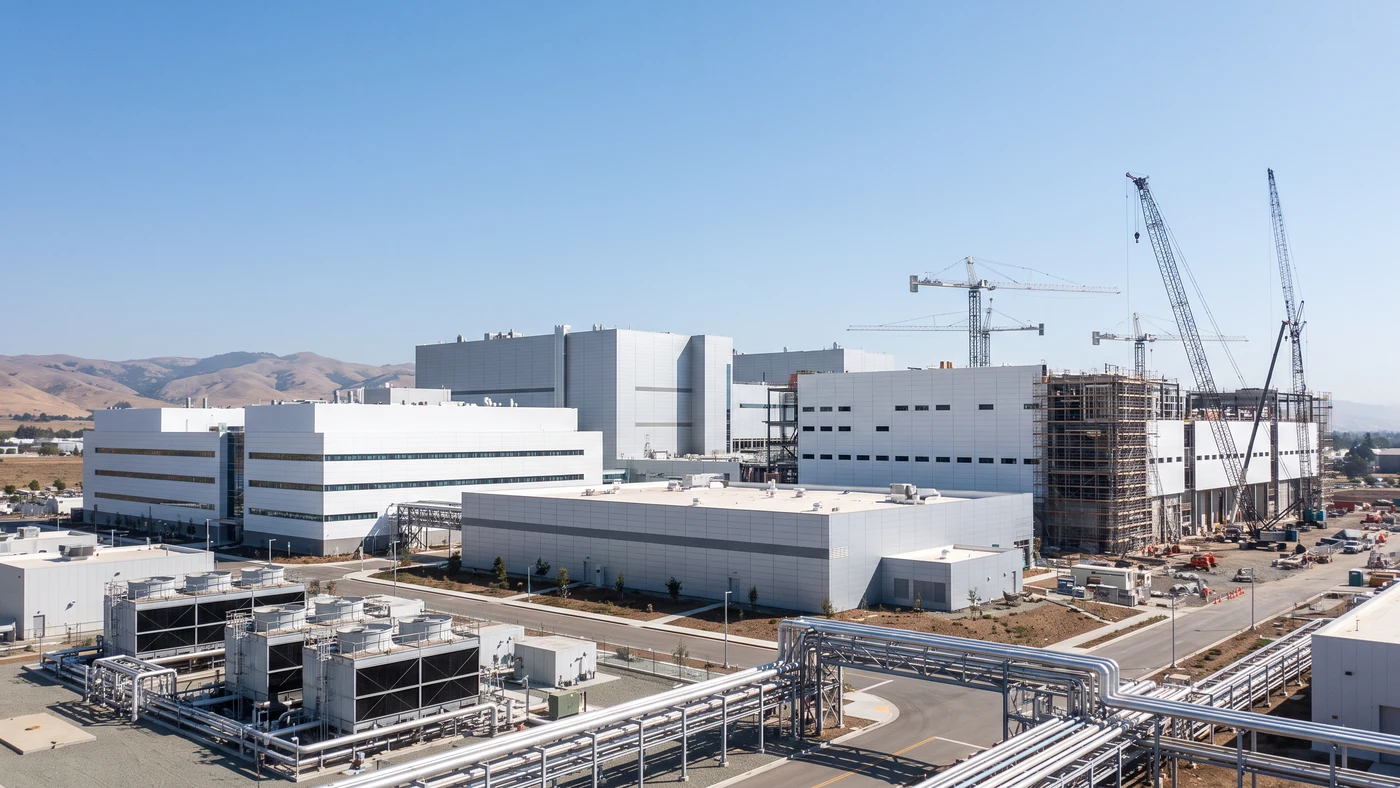
A top global agricultural chemical producer was heading into a capital-heavy ammonia turnaround with new contractors who did not know the scope and a baseline that had not yet been built. CBC responded on site with adaptable controls and a collaborative planning approach, working the plan alongside the people executing it. The resulting schedule covered roughly 15,000 activities and 100,000 man-hours against $125M of budget, and surfaced scope gaps and budgetary risks early enough to act on them.
The challenge
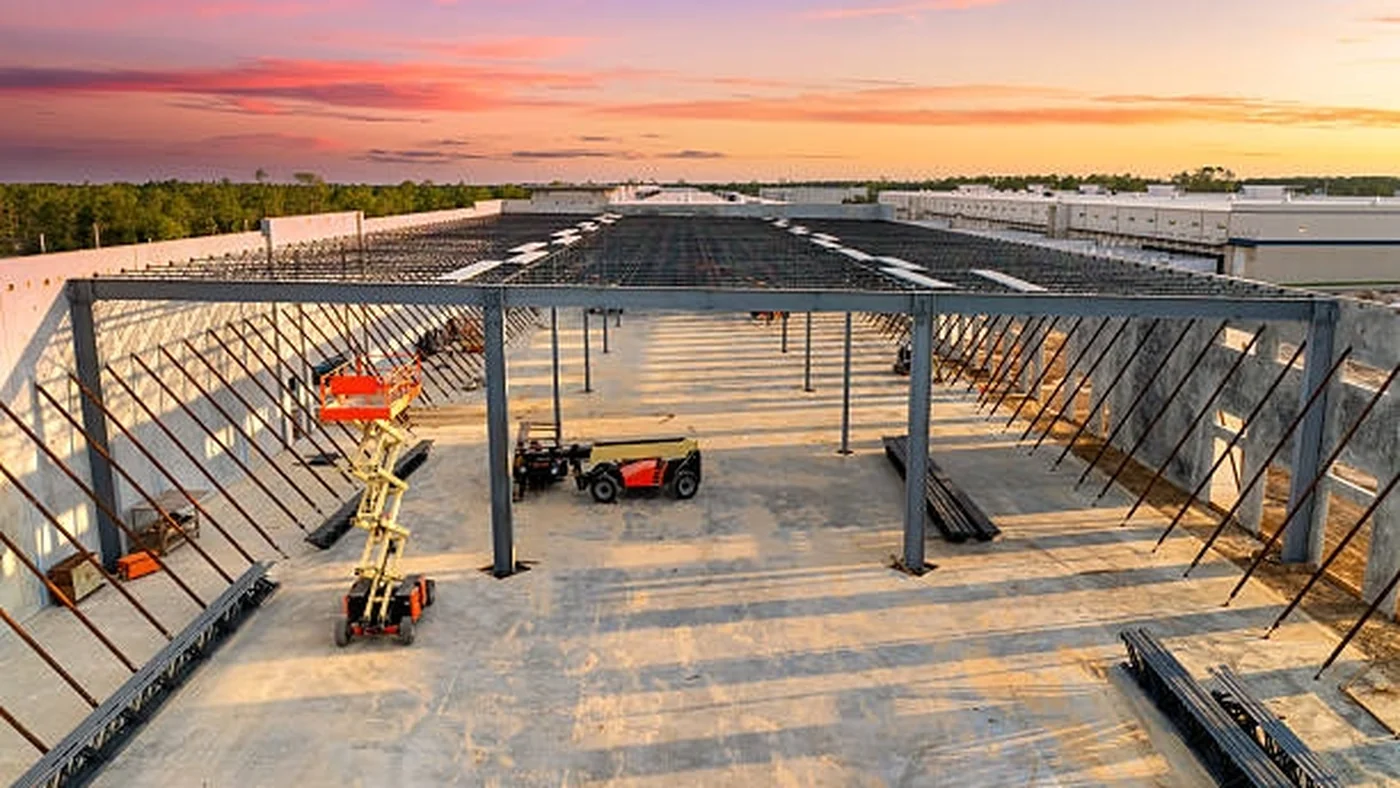
An ammonia producer was facing a critical capital heavy turnaround with a late-stage contractor pivot. The new contractors did not know the scope, planning was incomplete and spread across sources, and some capital projects on the site had sat half complete for a decade.
Conditions at the outset
- New contractors unfamiliar with scope.
- Scope planning incomplete and fragmented.
- Capital projects sat half complete for a decade.
- Local and available project controls talent hard to source.
- Compressed time for baseline development.
- Early works in progress prior to baseline initiation.
Project controls talent was hard to source locally, and the window for baseline development had already been compressed by the contractor change.
Early works were underway before a baseline existed, so the plan had to be built while the work was moving.
The solution
Rapidly respond with adaptable controls solutions and a collaborative planning approach.
The team responded on site rather than remotely and built the baseline in step with the people executing it.
How the work was run
- Met daily with new planners to coordinate WP import.
- Collaborate with QC and engineering to clarify planning status.
- Frequent site walks and model reviews to verify existing progress.
- Immediate on-site response.
- Developed new workflows to accelerate plan to schedule import.
Progress on existing scope was verified by walking the site and reviewing the model rather than trusting the record, which mattered on work that had been sitting for years. Where the handoff from plan to schedule was slowing things down, new workflows were written to speed it up.
The result
Schedule developed that highlighted scope gaps, identified budgetary risks, and drove execution. The baseline covered roughly 15,000 activities and 100,000 man-hours against $125M of planned budget, giving the execution teams one sequence to work to.
What it produced
- $125M of turnaround budget planned and scheduled.
- Approximately 15,000 activities sequenced into one baseline.
- Roughly 100,000 man-hours tracked against the plan.
- Scope gaps surfaced during baseline development.
- Budgetary risks identified ahead of execution.
Building the schedule was what exposed the gaps.
Scope that had never been fully defined and budget risk that had not been quantified both became visible while there was still time to act on them.